The Evolution of Work Truck Construction From the Past to the Future


Introduction: Work trucks are essential vehicles that play a crucial role in various industries such as construction, agriculture, transportation, and utilities. These specialized trucks are designed to carry heavy loads, provide storage for tools and equipment, and offer a mobile workspace for workers in the field. Over the years, work truck construction has evolved significantly, incorporating new technologies, materials, and designs to improve performance, efficiency, and safety. This article will explore the evolution of work truck construction from the past to the future, highlighting key developments and trends in the industry.
Historical Overview of Work Truck Construction:
Work trucks have been around for centuries, evolving from simple horse-drawn carts to sophisticated vehicles equipped with advanced features and capabilities. In the early days, work trucks were primarily used for transporting goods and materials, with basic designs that focused on utility and durability. Over time, advancements in engineering and manufacturing techniques led to the development of specialized work trucks tailored to specific industries and applications.
One of the key milestones in work truck construction was the introduction of the pickup truck in the early 20th century. With its rugged design, open cargo bed, and powerful engine, the pickup truck became a popular choice for farmers, tradespeople, and businesses looking for a versatile and reliable work vehicle. The introduction of the Ford Model T in 1925 revolutionized the work truck industry, making these vehicles more accessible and affordable to a wider range of users.
As the demand for work trucks grew, manufacturers began to explore new materials and technologies to enhance performance and efficiency. The use of steel, aluminum, and composite materials in work truck construction helped reduce weight, improve fuel economy, and increase payload capacity. Advances in engine technology, such as the introduction of diesel engines and hybrid powertrains, further enhanced the performance and efficiency of work trucks, making them more capable of handling heavy loads and long distances.
Modern Trends in Work Truck Construction:
In the modern era, work truck construction has become more sophisticated and specialized, with manufacturers offering a wide range of models and configurations to meet the diverse needs of different industries. From compact vans and pickup trucks to heavy-duty flatbeds and dump trucks, there is a work truck for every application, equipped with features and options tailored to specific tasks and environments.
One of the key trends in modern work truck construction is the integration of advanced technology and connectivity features. Many work trucks now come equipped with telematics systems, GPS tracking, and remote diagnostics capabilities, allowing fleet managers to monitor vehicle performance, location, and maintenance needs in real-time. These digital tools help improve efficiency, reduce downtime, and optimize fleet operations, resulting in cost savings and improved productivity.
Another important trend in work truck construction is the focus on safety and driver assistance systems. Manufacturers are incorporating advanced safety features such as collision mitigation systems, lane departure warnings, and blind-spot monitoring into their vehicles to help prevent accidents and protect drivers and passengers. These technologies are especially important in industries where work trucks operate in challenging environments or under demanding conditions.
Future Outlook for Work Truck Construction:
Looking ahead, the future of work truck construction is likely to be shaped by emerging technologies and trends that focus on sustainability, electrification, and autonomous driving. With increasing concerns about climate change and environmental impact, manufacturers are exploring alternative power sources such as electric and hydrogen fuel cell propulsion systems to reduce emissions and energy consumption in work trucks.
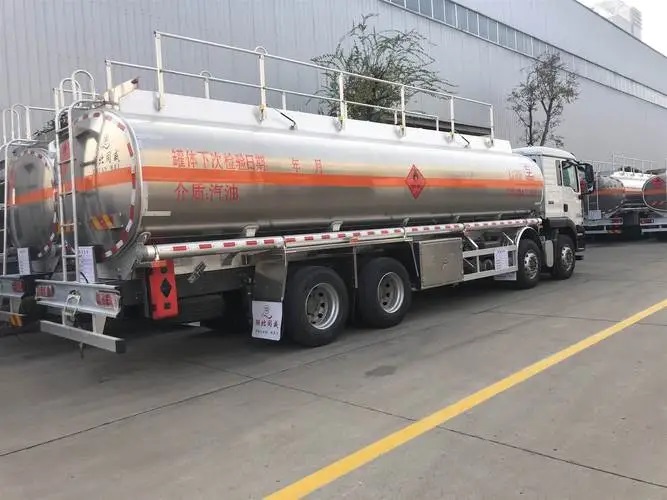
Electric work trucks are gaining popularity due to their lower operating costs, reduced environmental footprint, and quiet operation. Advances in battery technology and charging infrastructure are making electric work trucks more practical and cost-effective for a wide range of applications, from urban delivery to off-road construction. water tank truck are also developing hybrid and plug-in hybrid work trucks that combine the benefits of electric propulsion with the range and flexibility of conventional engines.
Autonomous driving technology is another area of innovation that is expected to impact the future of work truck construction. Self-driving work trucks have the potential to improve safety, efficiency, and productivity by reducing human error, optimizing route planning, and enabling round-the-clock operation. While fully autonomous work trucks are still in the early stages of development, manufacturers and technology companies are investing heavily in research and testing to bring this technology to market in the coming years.
Conclusion:
Work truck construction has come a long way since the early days of horse-drawn carts and basic utility vehicles. Today, work trucks are sophisticated, high-tech machines that are essential for a wide range of industries and applications. The evolution of work truck construction has been driven by advancements in materials, technology, and design, leading to vehicles that are more efficient, safer, and environmentally friendly.
As we look to the future, the work truck industry is poised for further innovation and transformation, with a focus on sustainability, electrification, and autonomous driving. Manufacturers are working on developing new models and technologies that will shape the next generation of work trucks, providing users with more options, capabilities, and benefits than ever before. By staying ahead of the curve and embracing these changes, the work truck industry will continue to play a vital role in driving economic growth and development around the world.